


Antioxidant Properties of Rhodiola Rosea
Rhodiola Rosea, also known as golden root or Arctic root, is a medicinal plant that has been traditionally used in medicine for its various health benefits. It is native to arctic regions and grows in high-altitude areas. The extract derived from its roots and rhizomes has gained popularity due to its antioxidant properties, which can help protect the body against oxidative stress.
What is Rhodiola Rosea?
Overview
Rhodiola Rosea, scientifically known as Rhodiola rosea L., is a perennial plant that belongs to the Crassulaceae family. It has been used in traditional medicine for centuries, particularly in areas like Siberia and Scandinavia. The plant’s root and rhizome contain bioactive compounds, including phenolic compounds, salidroside, and rosavin, which are believed to contribute to its medicinal properties.

Traditional Use in Medicine
In traditional medicine, Rhodiola Rosea has been used to improve physical and mental performance, as well as to alleviate symptoms of fatigue and stress. It has also been used to enhance endurance and resilience in harsh environmental conditions.
Golden Root Extract
Golden root extract is derived from the roots and rhizomes of Rhodiola Rosea. It is obtained through methods such as ethanolic extraction, aqueous extraction, or dry extraction. The extract contains various bioactive compounds, including salidroside, rosavin, flavonoids, and phenolic compounds, which contribute to its antioxidant properties.
Antioxidant Activity of Rhodiola Rosea
Role of Phenolic Compounds
Phenolic compounds are known for their antioxidant properties. Rhodiola Rosea contains phenolic compounds such as gallic acid, which has been found to have strong antioxidant activity. These compounds can help neutralize free radicals and protect the body against oxidative stress.
Effects of Rhodiola Rosea on Oxidative Stress
Oxidative stress is a condition that occurs when there is an imbalance between the production of free radicals and the body’s antioxidant defenses. Rhodiola Rosea has been found to modulate oxidative stress by increasing the activity of antioxidant enzymes and reducing the levels of oxidative markers in the body.
Antioxidant Capacity of Rhodiola Rosea Extract
Research studies have shown that Rhodiola Rosea extract has a high antioxidant capacity. It has been found to possess strong reducing antioxidant power, which indicates its ability to donate electrons and neutralize free radicals. This antioxidant capacity may contribute to its various health benefits.
Anti-Cancer Effects
Exploring the Potential of Rhodiola Rosea in Cancer Prevention
There is growing interest in exploring the potential of Rhodiola Rosea in cancer prevention. Preliminary studies have shown that the extract and bioactive compounds of Rhodiola Rosea exhibit anti-cancer effects, inhibiting the growth and proliferation of cancer cells. However, further research is needed to fully understand the mechanisms and potential applications in cancer treatment.
Studies on Rhodiola Rosea’s Anti-Cancer Activity
Several studies have investigated the anti-cancer activity of Rhodiola Rosea extract. These studies have shown promising results, suggesting that the extract may have cytotoxic effects on various cancer cells. The bioactive compounds present in Rhodiola Rosea, such as salidroside and tyrosol, have been found to induce apoptosis and inhibit tumor growth.
Mechanisms of Action
The mechanisms of Rhodiola Rosea‘s anti-cancer activity are not yet fully understood. However, it is believed that the extract and its bioactive compounds may modulate multiple cellular pathways involved in cancer development, including cell cycle regulation, apoptosis, and angiogenesis. Further research is needed to determine the precise mechanisms of action.
Neuroprotective Effects
Rhodiola Rosea’s Impact on Mental Performance

Rhodiola Rosea has been studied for its potential neuroprotective effects and its impact on mental performance.
Research suggests that Rhodiola Rosea may enhance cognitive function, improve memory and reduce mental fatigue. These effects are believed to be due to its adaptogenic properties and modulation of neurotransmitters in the brain.
The Role of Rhodiola Rosea in Neurodegenerative Diseases
Neurodegenerative diseases, such as Alzheimer’s and Parkinson’s, are characterized by the progressive loss of neurons in the brain.
Rhodiola Rosea has shown promise in mitigating the effects of these diseases by reducing oxidative stress, inhibiting inflammation, and protecting against neuronal damage. However, more studies are needed to fully explore its potential therapeutic benefits.
Exploring the Potential Benefits in Neurological Disorders
Aside from neurodegenerative diseases, Rhodiola Rosea has also been investigated for its potential benefits in other neurological disorders, such as depression, anxiety, and attention deficit hyperactivity disorder (ADHD). Preliminary research suggests that Rhodiola Rosea may have antidepressant and anxiolytic effects, as well as the ability to improve attention and cognitive function in individuals with ADHD. However, more research is required to confirm these findings.
How to Use Rhodiola Rosea
Recommended Dosage
The recommended dosage of Rhodiola Rosea may vary depending on the specific product and individual needs. It is generally recommended to start with a lower dosage and gradually increase as needed. The typical dosage range is 200-600 mg per day. It is advisable to consult with a healthcare professional for personalized dosage recommendations.
Combining Rhodiola Rosea with Other Adaptogenic Herbs
Rhodiola Rosea is often used in combination with other adaptogenic herbs to enhance its effects. Adaptogens are substances that help the body adapt to stress and exert a normalizing effect on various physiological functions. Popular adaptogens that are often combined with Rhodiola Rosea include Ashwagandha, Ginseng, and Holy Basil.
Understanding Potential Side Effects
Rhodiola Rosea is generally considered safe for most individuals when taken at recommended dosages. However, some individuals may experience mild side effects such as dizziness, dry mouth, or headache. It is important to note that Rhodiola Rosea may interact with certain medications, so it is advisable to consult with a healthcare professional before starting supplementation.
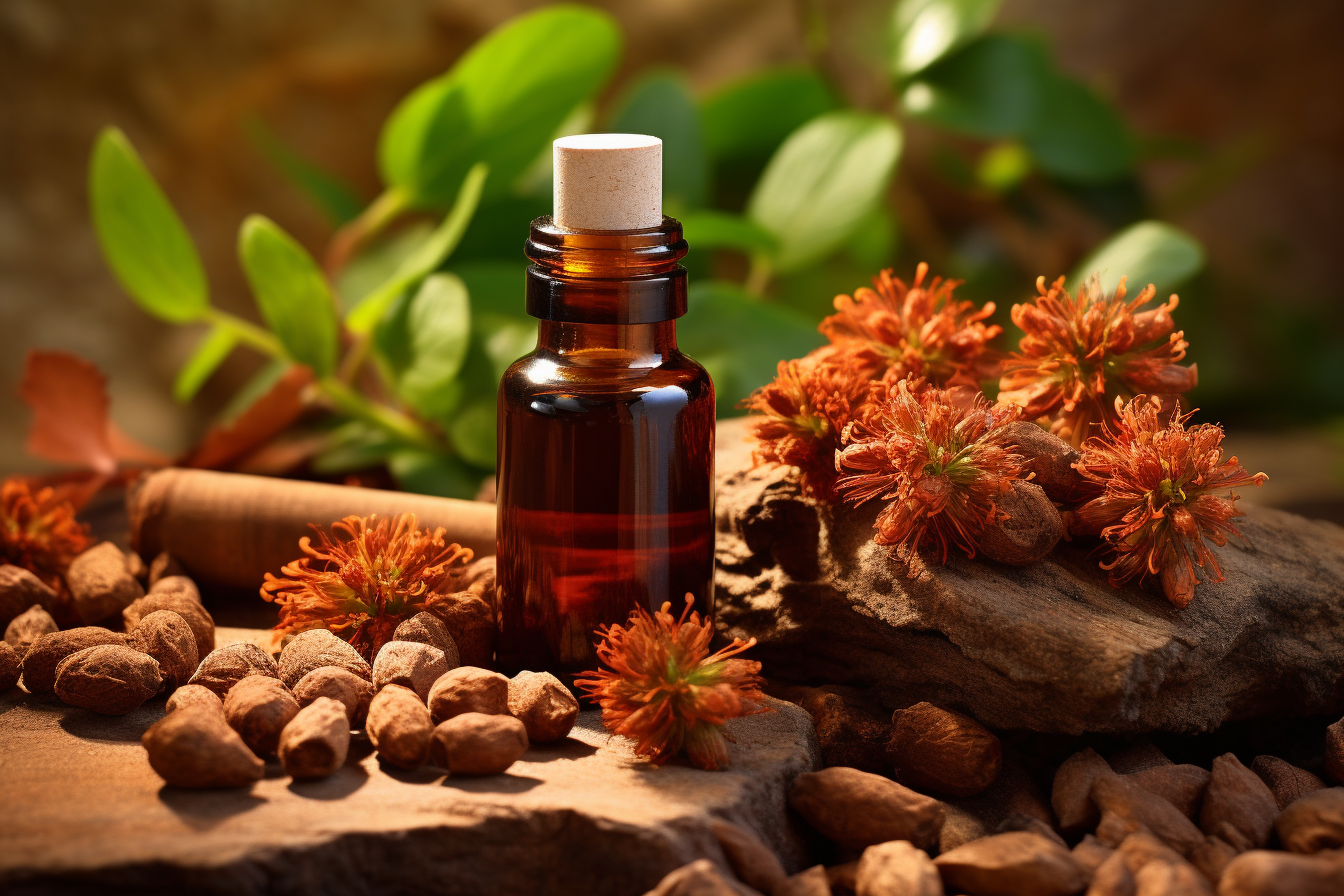
Antioxidant Properties and Benefits of Golden Root (Rhodiola Rosea) Extract
In the vast sphere of medicinal plants, Golden root or Arctic root, commonly known as Rhodiola Rosea, has been particularly lauded for its impressive health benefits. This article casts light on the antioxidant properties of Rhodiola Rosea and their subsequent benefits, deeply exploring the antioxidant activity of this extract that has been making waves in traditional medicine.
What is the Extract of Golden Root (Rhodiola Rosea) and its Antioxidant Properties?
Definition and Extraction Process of the Golden Root
Golden Root, scientifically known as Rhodiola Rosea L, is an Arctic plant whose extract is obtained from its roots and rhizomes. Traditional extraction methods like aqueous extraction and ethanolic extraction are often used to prepare diluted extracts rich in phytochemicals.
Understanding the Antioxidant Activity of Rhodiola Rosea L
Various studies, including those by Zhou and Wang, have revealed the potent antioxidant properties of Rhodiola Rosea extract, indicating that the plant’s roots are replete with bioactive compounds.

These compounds demonstrate strong antioxidant activity, modulating oxidative stress and boosting antioxidant capacity. Spectrometry and HPLC analysis serve as standard methods to determine the antioxidant capacity of the extract.
The Phenolic Compounds in Rhodiola Rosea
Phenolics, including salidroside, rosavin and gallic acid, are among the highlighted compounds in Rhodiola Rosea’s chemical composition and biological activity.
These, along with a group of flavonoids, contribute substantially to the extract’s antioxidant potential due to their reducing antioxidant power.
How Does Rhodiola Rosea Exhibit its Antioxidant Activity?
The Role of Salidroside and Gallic Acid
Salidroside, a tyrosol glycoside, and Gallic acid are two integral components of Rhodiola Rosea. These compounds, as part of Rhodiola Rosea extract, are known to exhibit strong antioxidant activity. They work to neutralise harmful free radicals and reduce oxidative stress, thereby increasing the body’s overall antioxidant capacity.
Role of Flavonoids in the Antioxidant Capacity
Flavonoids are another significant group of compounds contributing to the antioxidant capacity of Rhodiola Rosea. These strong antioxidant agents strategically modulate oxidative stress in the bodily systems, thereby enhancing antioxidant potential.
Antioxidant Properties against Oxidative Stress
The antioxidant properties of Rhodiola Rosea extract also play a crucial role in mitigating oxidative stress. The specially formulated SHR-5 extract, in particular, has been noted for its powerful antioxidant capacity that helps protect cells against damage triggered by oxidative stress.
What are the Anti-cancer and Neuroprotective Effects of the Rhodiola Rosea Extract?
Exploring the Anti-cancer Effects of Rhodiola Rosea Extract
The Rhodiola Rosea extract is hailed for its potential anti-cancer effects. The root extract’s antioxidant and bioactive properties have been suggested to play a role in inhibiting cancer cell proliferation, indicating a positive anti-cancer effect of Rhodiola Rosea.
Understanding the Neuroprotective Effects of Rhodiola Rosea
Beyond its antioxidant and anti-cancer effects, Rhodiola Rosea extract also exhibits potential neuroprotective effects. Its rich phytochemical makeup aids in mitigating neurodegeneration, making it a promising area of research in the context of neurodegenerative disorders.
Potential Uses of Rhodiola Rosea Extract in Traditional Medicine
Traditional medicine has embraced the many benefits of Rhodiola. Lu and Va’s studies on the adaptogenic properties of Rhodiola supplements illustrate potential applications in boosting mental performance, reducing fatigue, and improving resilience to stress. Consequently, the main benefits of Rhodiola are now being harnessed through medicinal Rhodiola Rosea supplements.

The Adaptogenic Properties of Rhodiola Rosea Extracts
Defining an Adaptogen and Their Effects
An adaptogen, as Wikman G outlines, is a non-specific remedy that increases the body’s resistance to stress, thereby promoting normal physiological functions. The effects of Rhodiola, a known adaptogen, underscore its ability to modulate stress responses, thereby indicating promising adaptogenic effects.
Adaptogenic Effects of Rhodiola Rosea
The adaptogenic properties of Rhodiola Rosea extract have been thoroughly investigated. Research evidence highlights its beneficial role in enhancing mental performance, resistance to physical and mental stress, and its possibility of use in toxin elimination. Hence, these adaptogenic effects of Rhodiola form one of its most vital benefits.
Impact of Rhodiola Rosea Extraction on Mental Performance
Rhodiola Rosea’s effect on mental performance has been a pertinent area of research. The plant’s adaptogenic properties, mainly attributed to salidroside, rosavins and flavonoids, are known to positively affect cognitive functions, thus improving mental performance and resistance to stress.
How to Consume Rhodiola Rosea Extract: Dosages and Precautions
Common Dosage Recommendations for Rhodiola Rosea Extract
The dosage of Rhodiola Rosea extract varies based on numerous factors including the extracts chemical composition and the user’s health status. However, most common dosage recommendations range between 100 mg to 600 mg daily, mainly administered as a dry extract.
Understanding the Safety Profile of Rhodiola Rosea
While the benefits of Rhodiola are manifold, it calls for a robust understanding of Rhodiola’s safety profile. Current evidence shows that Rhodiola Rosea extract is generally regarded as safe with few reported side effects. Nevertheless, individual tolerance and reactions may vary.
General Precactions and Side effects of Rhodiola Rosea
As with any medicinal plant, Rhodiola Rosea necessitates caution in usage. Side-effects, though relatively few, may include dizziness, dry mouth, or changes in blood pressure. Pregnant and breastfeeding women, as well as individuals with specific medical conditions, should seek medical consultation before starting a regimen with Rhodiola Rosea extract.
“`
Q: What is the significance of the phenolic compound in the Rhodiola Rosea L plant?
A: Phenolic compounds in the Rhodiola Rosea L plant play a significant role in the plant’s stronger antioxidant activity. These compounds, often extracted through methods such as the ethanolic extract process, have been linked with combating reactive oxygen species in the body, thus preventing cell death.
Q: What are some notable phytochemical elements in Rhodiola Rosea L?
A: The phytochemical elements of Rhodiola Rosea L are diverse given that this plant family consists of nearly 200 species. The substances that have showed significant interest in medicinal use include Rosavins, Salidrosides, Tyrosol and Cinnamic alcohol. They offer various health benefits, inclusive of the plant extracts’ antioxidant properties.
Q: What are the possible adverse effects of Rhodiola Rosea L?
A: While Rhodiola Rosea L has a strong track record in traditional medicine in Asia and is generally safe, some adverse effects include dizziness, dry mouth, and increased blood pressure. It is always a best practice to consult a medical professional for sensitive information such as potential personal health impacts.
Q: Can the chemical composition and antioxidant properties of Rhodiola Rosea L be measured?
A: Yes, the chemical composition and antioxidant properties can be measured with methodological tools like high-performance liquid chromatography. This mechanism allows for a detailed analysis of the plant’s phytochemical characteristics.
Q: How are the antioxidant properties of Rhodiola Rosea L usually evaluated?
A: They are often based on a comparison through various tests such as the DPPH radical scavenging activity, reducing power assay, or disc diffusion method, all of which show how effectively the plant extract protects against harmful oxidative elements.
Q: What is the difference between an aqueous extract and an ethanolic extract of Rhodiola Rosea L in terms of antioxidant properties?
A: Both extraction methods can yield valuable antioxidant components, but it’s generally found that the ethanolic extract presents stronger antioxidant activity than the aqueous one. However, the exact difference can vary based on the specific chemical and biological factors of the individual Rhodiola plants involved.
Q: Is there a variation in the antioxidant activity of plant extracts from different Rhodiola species?
A: Yes, variation often exists because although there are nearly 200 species of Rhodiola, approximately 20 are used for medical purposes. Therefore, the type, and even the region in which the plant grows, can greatly influence its antioxidant properties.
Q: Can the Rhodiola Rosea L affect the estrogen receptor?
A: Studies indicate that certain compounds in Rhodiola Rosea L can bind to the estrogen receptor. However, this activity and its potential impacts require further research.
Q: How does Rhodiola Rosea L exhibit its adaptogenic activity?
A: The adaptogenic activity of Rhodiola Rosea L is largely associated with its adaptogenic compounds like rosavins and salidroside. They help the body resist various stressors, both physical and mental, without disturbing normal biological functions.
Q: How does Rhodiola Rosea L extract contribute to apoptosis and cell cycle arrest?
A: The phytochemicals present in Rhodiola Rosea L extract can trigger apoptosis and induce cell cycle arrest. This happens by regulating various signaling pathways that control cell death and survival, both in vitro and in vivo, and has significant implications for cancer research.

 Cardiovascular Health And Rhodiola Rosea
