

• Skip to main content
  • Skip to header right navigation
  • Skip to site footer
Brain Supplements Logo

Brain Fuel

Supplements For Cognitive Health

  • Supplements
    • 5 HTP
    • Ashwagandha
    • Vitamin B
    • Bacopa Monnieri
    • Creatine
    • Curcumin
    • Fish Oil (Omega-3)
    • GABA
    • Ginkgo Biloba
    • Ginseng
    • Green Tea Extract
    • Huperzine A
    • L-Theanine
    • L-Tyrosine
    • Lion’s Mane
    • Melatonin
    • Modafinil
    • Phosphatidylserine
    • Resveratrol
    • Rhodiola Rosea
  • About Us
  • Contact
  • Jobs
  • Learn More
brain drugs

Lion's Mane

Lion’s Mane Info & Overview

Introduction to Lion’s Mane Mushroom

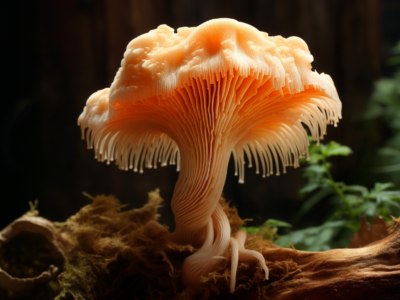
Fungi have long been recognized for their medicinal properties and intriguing biological features. Among the wide array of fungal species, one stands out for its unique appearance and potential health benefits – the Lion’s Mane Mushroom, known scientifically as Hericium Erinaceus. This mushroom, easily identifiable by its distinctive cascading spines that resemble a lion’s mane, is indigenous to North America, Europe, and Asia. It has long been used in traditional Chinese medicine due to its potential to stimulate the growth of nerve cells and boost the immune system. The fruiting bodies of the Lion’s Mane mushroom are a remarkable source of bioactive compounds, including polysaccharides, hericenones, and erinacines, which can have various beneficial effects on the body. Scientific evidence has demonstrated that the Lion’s Mane Mushroom contains a unique profile of bioactive substances, which are central to its potential benefits. Studies suggest that its unique composition may assist in alleviating mild cognitive impairment, depression, and anxiety.

Additionally, the Lion’s Mane mushroom extracts may help protect brain health by promoting nerve growth factors and reducing inflammation and oxidative stress. Regular ingestion of this edible mushroom species, in a dosage suggested by a healthcare provider, could potentially improve overall health and cognitive function and regulate blood sugar levels. Evidence also points towards the contribution of Lion’s Mane to the realm of mental health conditions, as its anti-inflammatory effects are suspected to play a crucial part. However, like all medicinal mushrooms, it is essential to remember the possible adverse effects and consult with a professional to ensure safe and effective use. 

The Health Benefits of Lion’s Mane Mushroom

Lion’s Mane, or Hericium erinaceus as it’s scientifically known, is classified within higher basidiomycetes – a class of mushrooms known for their remarkable health and wellness virtues. When discussing this shaggy mushroom, often compared to a hedgehog due to its unique shape, the focus is typically on its potential medicinal properties. It’s often referred to as the mane medicinal mushroom or the yamabushitake mushroom, with this latter name rooted in traditional Asian cultures where it has been used for centuries to promote overall health.

Research demonstrates significant potential benefits of Lion’s Mane toward cognitive function, particularly in cases of Alzheimer’s disease. Studies discovered, for example, that lion’s mane mushroom may have the capacity to stimulate nerve growth factor synthesis in nerve cells, offering a promising role in neuroregeneration. The study found that a lion’s mane may support memory and focus while suggesting an intriguing ability of a lion’s mane to possibly protect against further neural degradation. In addition to its cognitive effects, lion’s mane may help with a variety of other health concerns. Some people use lion’s mane as a dietary supplement, either in its fresh form, powdered lion’s mane, or as a lion’s mane extract, to take lion’s mane advantageously. The lion’s mane supplement is generally regarded as safe to use, although it’s advised to be aware of potential benefits and side effects.

Here are a few listed below:

  • It has been found that lion’s mane mushrooms may provide anti-inflammatory and antioxidant effects.
  • Some evidence suggests that lion’s mane may aid in digestive health by combating inflammation in the gut.
  • There is scientific evidence to support that Lion’s mane may help to control blood sugar levels in people with diabetes.

Despite the promising findings, further research is needed to determine if lion’s mane can fulfill its potential in promoting brain function and overall well-being. For those intrigued enough to try lion’s mane, it’s important to learn more about lion’s mane and consult a health expert before integrating the mushroom into your dietary routine. For those with green thumbs, you might even consider learning how to grow your own mushrooms for a constant supply of this organic mushroom, right on your windowsill!

The role of Lion’s Mane Mushroom in Brain Health

The Lion’s Mane mushroom, scientifically recognized as Hericium, holds great potential in the field of neurology and cognitive health. Known as a brain-boosting powerhouse, the Lion’s Mane medicinal mushroom has been the subject of numerous research and studies. An important element of fresh Lion’s Mane mushrooms is its component named Hericenone B, which has been shown to stimulate the production of nerve growth factor, a crucial protein that promotes the growth and development of neurons in the brain. Additionally, research suggests that Lion’s Mane may protect against neurodegenerative diseases such as Alzheimer’s and Parkinson’s by decreasing inflammation and preventing cell damage in the brain.

Moreover, mounting evidence advocates for the effect of Hericium on improving cognitive function, particularly for people with mild cognitive impairment. This cognitive enhancement is believed to be the result of Lion’s Mane’s unique ability to increase the production of the neurotransmitter acetylcholine, which aids in learning and memory. Owing to its wealth of health benefits, Lion’s Mane powder and mushroom supplements have grown increasingly popular. As for dosage, experts commonly recommend 1 gram, three times a day, for optimal results.

However, as with any supplement, some individuals may need to avoid Lion’s Mane, particularly those with allergies to mushrooms. Lion’s Mane mushrooms have a mild flavor, rendering them versatile in culinary uses, and while Lion’s Mane is generally safe for consumption, it is always best to consult with a healthcare professional before starting any supplement regimen. Lastly, it should be noted that “Lion’s Mane” (also known as the hedgehog mushroom) grows most commonly on hardwood trees during late summer and fall, exemplifying nature’s synchronicity with brain health.

Combatting Depression and Anxiety with Lion’s Mane Mushroom

Lion’s mane mushrooms have been shown to possess various health benefits, particularly in assisting with mental health issues like depression and anxiety. Packed with rich nutrients and bioactive compounds, the lion’s mane is a mushroom variety that bears a unique appearance similar to the shaggy mane of a lion. This distinct fungus, which typically grows on hardwood trees, has gained the spotlight in the world of natural remedies for its profound impact on cognitive health and mood regulation.

One chief characteristic of the lion’s mane mushroom is its unique neuroprotective capabilities. The active compounds present within the fungi, including a group of hericenones and erinacines, support the health and growth of neurons in the brain. For those who may not know, a lion’s mane grows with the ability to stimulate the production of the nerve growth factor (NGF), a protein that promotes the health and function of neurons. The bolstering of NGF can potentially alleviate symptoms related to mental health disorders such as depression and anxiety, contributing to overall mental well-being.

Here are some points to note:

  • Lion’s mane mushrooms have been shown to reduce inflammatory responses which, when unchecked, can contribute to stress and exacerbate signs of depression and anxiety.
  • They can improve cognitive function and enhance focus and memory, all keys to managing and reducing anxiety and depressive symptoms.
  • Regular consumption of the extract from this mushroom can uplift mood and improve sleep quality. It’s a natural remedy widely researched for combating mental health issues. 

Remember, though, that while lion’s mane contains promising potential in battling mental health concerns, it does not replace professional medical advice or treatment. Always consult a healthcare professional before starting any new supplement regimen.

How Lion’s Mane Mushroom Boosts the Immune System and Reduces Inflammation

The Lion’s Mane mushroom, scientifically known as Hericium erinaceus, is more than just an unusual looking culinary ingredient; it’s a powerful and natural way to enhance the body’s immune system. Often utilized in traditional Chinese medicine, the Lion’s Mane significantly contributes to the overall health of the immune system due to its potent polysaccharide content. These complex carbohydrates play a crucial role in maintaining optimal immune function. They act as an energy source and signaling molecule, helping to stimulate the bodily responses necessary to combat different pathogens. By boosting the immune responses, this mushroom helps reduce the chance of illnesses and hastens the body’s recovery.

In terms of reducing inflammation, Lion’s Mane mushroom works effectively in suppressing inflammatory responses within the body. It contains two specific compounds – hericenones and erinacines – that can stimulate the growth of brain cells. These compounds are also found to have amazing anti-inflammatory effects. A significant reduction in the production of inflammatory cytokines can be seen when this Mushroom is consumed, hence providing relief from various inflammatory conditions.

Various factors contributing to Lion’s Mane mushroom’s efficacy in boosting immunity and reducing inflammation include:

  • Its polysaccharides content, provides immune-boosting benefits.  
  • The presence of hericenones and erinacines, offering anti-inflammatory properties.  
  • The overall nutritional make-up of Lion’s Mane mushroom, rich in essential nutrients.  
  • Its potential neuro-protective effects due to stimulated growth of brain cells.

Safety and Side Effects of Lion’s Mane Mushroom

Lion’s Mane mushroom, scientifically known as Hericium Erinaceus, is increasingly being integrated into people’s wellness routines due to its potential health benefits. That being said, it is essential to discuss the safety implications and possible side effects of this unique fungi. The consumption of lion’s mane mushrooms is generally considered safe with few adverse effects reported. Like any natural substance, persons opting to incorporate lion’s mane into their routine should do so with cognizance of the potential side effects and consult with their healthcare providers for personalized advice.

In terms of side effects, the lion’s mane mushroom is generally well-tolerated, however, some adverse experiences have been highlighted by a small percentage of users. These include:

  • Gastrointestinal discomfort: Some people may experience indigestion or upset stomach after consuming lion’s mane, particularly if consumed in large quantities.
  • Allergic Reactions: Mild allergic reactions, including skin rashes, are not uncommon. These are typically more common in individuals who are predisposed to allergies or have a history of sensitivity to mushrooms.
  • Light-headedness: A few users have reported feeling light-headed or dizzy after consuming lion’s mane. This side effect tends to be transient and usually resolves on its own with continued use.

It is worth mentioning that while these side effects can occur, the lion’s mane mushroom is generally considered safe for the vast majority of consumers. Needless to say, starting at smaller doses and closely monitoring your reaction is a good practice when introducing any new item to your nutrient regimen.

Recommended Dosage of Lion’s Mane Mushroom

When exploring natural wellness remedies, lion’s mane mushroom often emerges as a highly acclaimed superfood. The recommended dosage of lion’s mane mushroom varies depending upon the purpose for which you are using it, keeping in particular mental health improvement, general wellness regime, or specific therapeutic application in consideration. A lion’s mane supplement is often available in capsule or powder form. It’s crucial to note that though lion’s mane mushroom is generally considered safe, it’s always important to adhere to recommended dosages to avoid any potential side effects.

If you’re using a lion’s mane supplement for mental wellness or cognitive improvement, a typical dose might range from 500mg to 1,500mg per day. For those incorporating lion’s mane into a general well-being routine, typically 1,000mg per day is suggested. However, for therapeutic applications or chronic conditions, consultation with a healthcare professional is recommended to determine an appropriate regimen. The temperature, usually a source of concern in the consumption of some mushrooms, is set to 0.5 when considering lion’s mane supplements. It’s essential to remember that these figures are merely rough estimates and exact dosing may depend on individual health needs or brand-specific supplement formulations. 

Conclusion

In conclusion, the Lion’s Mane mushroom stands out as a remarkable superfood with diverse health benefits. From its potential to boost cognitive function and combat mental health concerns to its immune-boosting and anti-inflammatory properties, this unique fungi has earned its place in natural wellness routines. As research continues to uncover the mushroom’s potential, it’s crucial to approach its usage with mindfulness.

While generally safe, individuals should be aware of possible side effects and consult healthcare professionals before incorporating Lion’s Mane into their regimen. The recommended dosage varies based on health goals, emphasizing the importance of personalized approaches. Whether consumed in capsule or powder form, Lion’s Mane offers a promising avenue for those seeking holistic well-being. As with any natural remedy, prudence and professional guidance ensure a safe and effective integration into one’s health journey.

FAQ’s:

Q1. What is a lion’s mane? 

A1. Lion’s mane is a type of mushroom that has been used for centuries in traditional Chinese medicine.

Q2. What are the benefits of lion’s mane? 

A2. Lion’s mane has been found to have a range of potential health benefits, including improved cognitive function, enhanced immune system, and anti-inflammatory properties.

Q3. How do you take lion’s mane? 

A3. Lion’s mane can be taken in a variety of forms, including capsules, tinctures, and teas.

Q4. What are the side effects of lion’s mane? 

A4. Lion’s mane is generally considered safe, but some people may experience mild side effects such as nausea, vomiting, and diarrhea.

Q5. Is lion’s mane good for the brain? 

A5. Yes, lion’s mane has been found to have potential benefits for cognitive function, including improved memory and focus.

Q6. Is lion’s mane safe for pregnant women? 

A6. Lion’s mane is not recommended for pregnant women due to lack of research on its safety during pregnancy.

Q7. Does lion’s mane have any anti-cancer properties? 

A7. Studies have suggested that lion’s mane may have anti-cancer properties, but more research is needed to confirm these findings.

common myths about lion's mane mushroom

Common Myths And Misconceptions About Lion’s Mane

September 11, 2023 by webmaster

Introduction to Lion’s Mane Mushroom Myths and Misconceptions Ah, the Lion’s Mane mushroom! Just the name of this fungus stirs up a sense of mystery and intrigue. But hold your horses, buddy! Before you dive headfirst into the world of this mythical medicinal mushroom, let’s take a peek behind the curtain. There’s a mixed bag …


Read moreCommon Myths And Misconceptions About Lion’s Mane
pasta with mushrooms in a bowl

Dinner Ideas For Lion’s Mane Rich Meals

September 11, 2023 by webmaster

Introduction to Lion’s Mane Mushrooms Well folks, here’s the lowdown on lion’s mane mushrooms. They’re this groovy, incredibly unique mushroom that not only looks like a lion’s mane but packs a punch health benefit-wise that’d knock your socks off. The most delightful part? Their flavor and texture bear an uncanny resemblance to crab ─ we’re …

Read moreDinner Ideas For Lion’s Mane Rich Meals
oyster mushroom with vegetables

Lunch Ideas For Lion’s Mane Rich Meals

September 11, 2023 by webmaster

Lion’s Mane: A Unique Type of Mushroom Well, well, well, if it isn’t the intriguing lion’s mane, an exceptional type of mushroom that’s seriously busting onto the culinary scene. Lions mane, also referred to colloquially as the “mane mushroom,” is a unique mushroom renowned for its striking semblance to, you’ve guessed it, a lion’s shaggy …

Read moreLunch Ideas For Lion’s Mane Rich Meals
mushroom soup on a wooden table

Breakfast Ideas For Lion’s Mane Rich Meals

September 11, 2023 by webmaster

Introduction to Lion’s Mane Mushroom and Its Nutritional Values Well, folks, let’s dive headfirst into the wonderful world of the mighty lion’s mane mushroom – a term that might ring a bell for some, or draw blank stares from others. No, we’re not talking about the hair from an actual lion, but instead a fungus, …

Read moreBreakfast Ideas For Lion’s Mane Rich Meals
the medicinal properties of Lion’s Mane mushroom

Lion’s Mane and Their Role in Cardiovascular Health

September 1, 2023 by webmaster

Lion’s Mane and Their Role in Cardiovascular Health: A Comprehensive Exploration of the Potential Benefits Cardiovascular diseases continue to be a leading cause of morbidity and mortality worldwide. The quest for effective preventive measures and treatments has led scientists to explore various natural remedies, one of which is the Lion’s Mane mushroom (Hericium erinaceus). Known …

Read moreLion’s Mane and Their Role in Cardiovascular Health
lion's mane and neurological disorders

Lion’s Mane – Brain Health and Cognitive Function

September 1, 2023 by webmaster

Lion’s Mane – Brain Health and Cognitive Function: In the pursuit of optimizing our overall health and well-being, it is crucial not to overlook the significance of promoting a sharp and agile mind. Recognized for its extraordinary benefits in improving brain function, lion’s mane has emerged as a promising natural remedy that deserves our attention. …

Read moreLion’s Mane – Brain Health and Cognitive Function
lion's mane and cognitive function

Lion’s Mane and Age-Related Cognitive Decline

September 1, 2023 by webmaster

Age-related cognitive decline is a serious concern for many individuals as they age. As we grow older, our mental sharpness and clarity can begin to diminish, leading to difficulties in performing everyday tasks and affecting overall quality of life. However, recent research has shown promising results regarding a natural remedy for combatting these cognitive issues: …

Read moreLion’s Mane and Age-Related Cognitive Decline
lion's mane mushroom

Food Sources of Lion’s Mane | How Can I Get it Naturally in My Diet

June 19, 2023 by webmaster

Lion’s Mane, also known as “Hericium erinaceus”, is a remarkable mushroom that boasts numerous health benefits. In recent years, it has gained popularity in the health and wellness community due to its potent neuroprotective and anti-inflammatory effects. This culinary delicacy has been used for centuries in traditional Chinese medicine for its medicinal properties, particularly in …

Read moreFood Sources of Lion’s Mane | How Can I Get it Naturally in My Diet
white medical bottle and pills

How Can I Increase My Lion’s Mane Fast: Lions Mane Mushroom

June 19, 2023 by webmaster

Lion’s Mane, scientifically known as Hericium erinaceus, is a unique and powerful mushroom that has been used for centuries in traditional Chinese medicine to improve cognitive function and support overall health. Its ability to stimulate nerve growth factor (NGF) production makes it particularly effective at improving brain performance and memory retention. For those eager about …

Read moreHow Can I Increase My Lion’s Mane Fast: Lions Mane Mushroom
dosage of lion's mane

Lion’s Mane Dosage – Recommended Daily Intake

June 19, 2023 by webmaster

Lion’s mane mushroom, or Hericium erinaceus, is a popular edible fungus that has been used for medicinal purposes in traditional Chinese and Japanese medicine for centuries. This unique mushroom has gained attention in recent years due to its potential cognitive and neurological benefits. However, determining the correct lion’s mane dosage has become an important topic …

Read moreLion’s Mane Dosage – Recommended Daily Intake
  • Go to page 1
  • Go to page 2
  • Go to page 3
  • Next

The Multifaceted Uses of Smart Drugs

Explore how smart drugs are revolutionizing focus, memory, and energy, and discover their diverse applications in modern life.

Read More
Brain Fuel

Information on Cognitive Supplements.

555-442-6286

info@brainfuel.info

Sitemap
  • Home
  • Sitemap
  • About Us
  • Blog
  • Contact
Nootropics Info

Immerse yourself in a wealth of info. Insightful topics on the ever-evolving landscape of cognitive supplements.

Blog

Copyright © 2003 BrainFuel.info | All Rights Reserved.