
• Skip to main content
  • Skip to header right navigation
  • Skip to site footer
Brain Supplements Logo

Brain Fuel

Supplements For Cognitive Health

  • Supplements
    • 5 HTP
    • Ashwagandha
    • Vitamin B
    • Bacopa Monnieri
    • Creatine
    • Curcumin
    • Fish Oil (Omega-3)
    • GABA
    • Ginkgo Biloba
    • Ginseng
    • Green Tea Extract
    • Huperzine A
    • L-Theanine
    • L-Tyrosine
    • Lion’s Mane
    • Melatonin
    • Modafinil
    • Phosphatidylserine
    • Resveratrol
    • Rhodiola Rosea
  • About Us
  • Contact
  • Jobs
  • Learn More
brain drugs

Ashwagandha

Ashwagandha Info & Overview

Introduction to Ashwagandha: An Overview

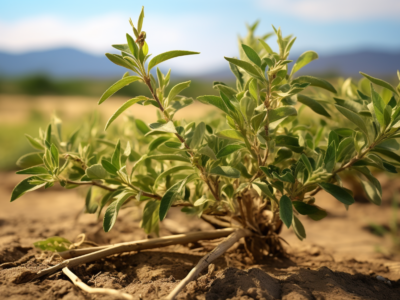
Ashwagandha, scientifically referred to as Withania somnifera, is a small evergreen shrub that thrives in India, parts of Africa, and the Middle East. It is more commonly known as Indian ginseng or winter cherry within the world of Ayurvedic medicine, a holistic healing system with roots in India. This medicinal herb has acquired significant importance due to its wide range of potential health benefits. An essential component to a wide variety of Ayurvedic concoctions, the biologically active compounds found within the ashwagandha root extract have shown promise for improving sleep quality, reducing stress and anxiety, and enhancing general vitality.

Studies suggest that ashwagandha may possess potent antioxidant effects with the potential to influence a myriad of health conditions. The use of ashwagandha in the realm of healthcare is not new. Integrating this herb in Ayurvedic medicine for centuries, experts in holistic health suggest that ashwagandha may help improve numerous bodily functions. There have been many placebo-controlled studies that have assessed the efficacy and safety of ashwagandha. One particular systematic review and meta-analysis unveiled noteworthy results regarding the potential impacts of ashwagandha on stress. The study aimed to evaluate the effects of ashwagandha and revealed a significant reduction in stress-related parameters in the treated group compared to the placebo-controlled group.

Additionally, the administration of ashwagandha was found well-tolerated by the majority of individuals, reinforcing its safety in treatment. Still, a thorough discussion with a healthcare provider is recommended before adding ashwagandha to any health care regimen, to understand and weigh the potential benefits and risks.

Understanding the Properties of Ashwagandha

Ashwagandha, a vital component in Indian Ayurvedic medicine, is an evergreen shrub widely recognized for its diverse properties, predominantly in health, wellness, and therapeutic applications. Its roots and orange-red fruit have been in use ashwagandha consistently for over 3000 years because of the innate therapeutic characteristics they possess. Extract of ashwagandha, often in the form of ashwagandha powder, has become a crucial part of various Ayurveda-driven wellness practices. Ashwagandha is perhaps best known for its adaptogenic properties – supporting the body’s natural ability to resist stressors.

Commonly known as the Indian Winter Cherry, Ashwagandha is used to balance various physiological processes within the body and promote healthy bodily functions. That said, it’s important for any potential users to speak with a healthcare provider due to the possible side effects and to learn more about how to tolerate ashwagandha and its possible interactions with their unique physiological circumstances. Clinical studies, including placebo-controlled clinical studies, have been carried out to determine the safety and efficacy of ashwagandha root extract. Remarkably, more than 600 mg of ashwagandha per day was found to significantly reduce stress and anxiety in adults in one particular study.

There is also emerging evidence that ashwagandha might have potential therapeutic activity of ashwagandha against neurodegenerative diseases, thanks to the immunomodulatory and CNS effects of sitoindosides found in the herb, comparing favorably with lorazepam, a standard anti-anxiety medication. Furthermore, the use of ashwagandha in Ayurveda and Siddha medicine has been found to be safe in various clinical trials. However, it’s essential to note these claims are not evaluated by the Food and Drug Administration. 

In summary, here are some key takeaways:

  • Ashwagandha could have potential therapeutic benefits against neurodegenerative diseases due to the immunomodulatory and CNS effects of sitoindosides.
  • Clinical studies, including ashwagandha-controlled clinical studies, have been able to confirm the safety of ashwagandha root extract.
  • Despite the range of health benefits, it’s crucial to consult a healthcare provider before starting treatment with ashwagandha due to potential side effects. 

This is especially important if you’re new to Ayurvedic medicine and products containing ashwagandha.

Health Benefits of Ashwagandha

Ashwagandha, known scientifically as Withania Somnifera, is a popular herb in Indian Ayurvedic medicine and has been revered for its potential health benefits across the globe. Known for its rejuvenating properties, Ashwagandha is an evergreen shrub commonly found in India, the Middle East, and some parts of Africa. Research on Ashwagandha has suggested interesting relationships between the herb and several health indicators. Studies on Ashwagandha indicate that this organic supplement may increase testosterone levels, support mental health, reduce stress, and improve physical strength. It’s worth noting the root of Ashwagandha is commonly used in supplements, but the leaf also has substantial medicinal properties.

Here’s a brief overview on Ashwagandha:

  • Ashwagandha contains bioactive constituents, notably withanolides, which may bolster its health-promoting properties.
  • Ashwagandha may be helpful in managing fatigue, stress, and anxiety, according to some research studies.
  • A study to evaluate the effects of Ashwagandha found that it could improve cognitive and psychomotor performance in healthy adults.
  • Ashwagandha may reduce blood sugar levels, thereby benefiting those with diabetes.
  • Safety of Ashwagandha root extract is well-noted, indicating that most people can use it without fear of adverse interaction.

The Ayurvedic herb Ashwagandha, moreover, has demonstrated radiosensitizing effects of Withaferin, a compound present in it, which leads to suggestions its use could support certain cancer treatments. This has sparked an array of research into applications of Ashwagandha in traditional and modern medicine alike. Yet, despite its broad benefits, Ashwagandha is not for everyone. Individuals on sedatives like lorazepam should avoid using Ashwagandha, due to potential interactions of Withania Somnifera and such medications.

Furthermore, it’s prudent to note that while Ashwagandha is safe for most people, its effects may vary among individuals, therefore it’s always important to seek medical guidance before beginning any new supplement regimen. To sum up, Ashwagandha can be used as a potential supplement in your journey towards wellness, provided its use is consistent with professional medical advice.

How to Take Ashwagandha and Recommended Ashwagandha Supplements

Ashwagandha, also known as Withania Somnifera, is a widely recognized herbal supplement that has been used in Indian Ayurvedic medicine for centuries to promote bodily vitality and vigor. This potent herb has been found to have significant benefits for mental and physical health. Studies have shown that ashwagandha significantly reduced stress levels and showed promising effects of reducing anxiety when compared with popular pharmaceuticals, such as lorazepam. A notable consideration is that ashwagandha also may be effective in increasing testosterone levels. Therefore, whether you are experiencing stress, anxiety, hormonal imbalance, or merely seeking a natural boost, ashwagandha is an effective supplement.

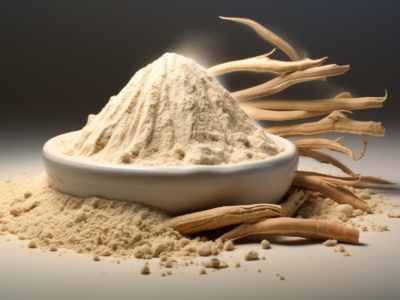
When it comes to incorporating ashwagandha into your routine, you have several options. You may opt for organic ashwagandha capsules, which are easy to administer and can be quickly integrated into any daily vitamin regimen. Alternatively, you may prefer the flexibility and versatility of ashwagandha leaf or root powder. This can be mixed into smoothies, hot beverages or sprinkled over food. Researchers have found that ashwagandha root contains key compounds that are responsible for the supplement’s potent effects. Discerning between these options inherently depends on your lifestyle and personal preferences. Remember that consistent use over time is important for reaping ashwagandha’s full benefits.

  • Ashwagandha capsules: Perfect for straightforward, consistent dosage.
  • Ashwagandha powder: A versatile option that can be mixed into a variety of foods and drinks.
  • Ashwagandha leaf: An underrated form of supplementation that still delivers a potent dose. 

In summary, incorporating ashwagandha into your routine may be the way to go for improved overall health. Make sure to consider both the form of ashwagandha that works best for your routine — no matter what the choice, this traditional herb is likely to deliver significant benefits.

Side Effects of Ashwagandha and Cautions for Certain Health Conditions

Ashwagandha, derived from the plant Withania somnifera, is a popular component of Indian Ayurvedic medicine. Renowned for its therapeutic value, ashwagandha is a herbal substance commonly used to alleviate anxiety, combat stress, improve sleep patterns and boost overall health. However, like most substances, ashwagandha may exhibit side effects in certain individuals. For instance, the effect of Withania somnifera on the digestive system may include stomach upset, diarrhea, or vomiting in some users. Many believe that ashwagandha may increase testosterone levels, but this Ayurvedic remedy can also increase thyroid hormones, potentially problematic for those with thyroid disorders. Similarly, it can cause sedative effects when consumed in high doses or in conjunction with other sedatives, raising potential issues with drugs like Lorazepam.

It’s essential for individuals with certain established health conditions to exercise caution when considering using the effects of Withania somnifera root in their wellness routines. The research in Ayurveda and Siddha speaks of its potential interactions with various medications and conditions. A few of these include:

  • Pregnancy and breastfeeding: Ashwagandha may be effective for many health issues, but it’s generally advised to avoid use during pregnancy due to the potential risk of miscarriage. There are also insufficient data regarding its safety during breastfeeding.
  • Diabetes: Ashwagandha can lower blood sugar levels, so diabetics should monitor blood sugar closely.
  • High or low blood pressure: Ashwagandha can increase blood pressure in some people and decrease it in others, requiring those with blood pressure issues to be cautious.
  • Autoimmune diseases: This herb might cause the immune system to become more active, potentially increasing symptoms of autoimmune diseases.

Thus, while including ashwagandha as part of a holistic health strategy can be beneficial, it’s important to navigate ashwagandha’s effects with mindfulness, especially for individuals with specific health conditions. Consultation with healthcare professionals and diligent monitoring of potential side effects, such as digestive issues, hormonal fluctuations, and sedative effects, is crucial to ensure a safe and tailored integration of ashwagandha into one’s wellness routine.

Conclusion

In conclusion, the Indian Ayurvedic medicine, Ashwagandha, has been a popular choice among individuals seeking natural solutions to health problems. The herb, profound for its wide array of benefits like stress reduction and immune-boosting properties, is a beacon in traditional medicine. However, one must be cautious while blending it with other substances such as lorazepam. Despite the popularity of Ashwagandha, there’s limited research on the combination of Ashwagandha and lorazepam – a widely prescribed medication for anxiety.

Although Ashwagandha is renowned for its anti-anxiety properties, the confluence of its effectiveness and lorazepam’s typically prescribed usage for similar conditions necessitates further investigation. It’s crucial to always seek professional guidance before commencing any new robust treatment plan. This precaution maintains the integrity of health practices while guaranteeing safety and efficacy for everyone exploring these medicinal routes. As always, balance and moderation, coupled with informed decisions, contribute significantly towards achieving health and wellness goals.

FAQ’s:

Q1. What is Ashwagandha?

A1. Ashwagandha is an herb used in Indian Ayurvedic medicine.

Q2. What are the benefits of Ashwagandha?

A2. Ashwagandha is known to have many health benefits, including reducing stress and anxiety, improving brain function, and boosting the immune system.

Q3. Is Ashwagandha safe to take?

A3. Yes, ashwagandha is generally considered safe to take. However, it is important to consult with a healthcare professional before taking any supplement.

Q4. Can Ashwagandha be taken with lorazepam?

A4. It is not recommended to take ashwagandha and lorazepam together, as they may interact with each other and cause side effects.

Q5. Is Ashwagandha a popular supplement?

A5. Yes, ashwagandha is a popular supplement due to its many health benefits.

Q6. What is the recommended dosage of Ashwagandha?

A6. The recommended dosage of ashwagandha depends on the individual and the condition being treated. It is important to consult with a healthcare professional to determine the best dosage for you.

Q7. What are the side effects of Ashwagandha?

A7. The most common side effects of ashwagandha include nausea, diarrhea, and stomach upset. It is important to consult with a healthcare professional before taking any supplement to ensure it is safe for you.

wellbeing with ashwagandha

Incorporating Ashwagandha Into Your Lifestyle

August 17, 2023 by webmaster

Introduction to Ashwagandha  Ah, ashwagandha! This ancient herb has been used in Ayurvedic medicine for thousands of years, and for good reason. It’s an adaptogenic herb, meaning it may help the body adapt to stress and balance hormones. It’s also packed with health benefits, from improved sleep quality to reduced blood sugar levels. Taking ashwagandha …


Read moreIncorporating Ashwagandha Into Your Lifestyle
health benefits of ashwagandha

Ashwagandha Safety And Side Effects

August 17, 2023 by webmaster

Introduction to Ashwagandha  Introduction to Ashwagandha is an ayurvedic herb that has been used for centuries to treat a variety of ailments. It is believed to have a range of health benefits, including reducing stress, improving cognitive function, and boosting immunity. Studies suggest that ashwagandha may also have anti-inflammatory and anti-cancer properties. The efficacy and …

Read moreAshwagandha Safety And Side Effects
ashwagandha benefits for female fertility

Ashwagandha And Fertility Support

August 17, 2023 by webmaster

Introduction to Ashwagandha and Fertility Support  Ashwagandha, also known as Withania somnifera, is an ayurvedic herb that has been used for centuries to support fertility and overall health. It is known to reduce stress and cortisol levels, increase testosterone levels, and improve hormone levels, making it a great choice for those looking to conceive. It …

Read moreAshwagandha And Fertility Support
glucose measurement

Ashwagandha And Diabetes Management

August 17, 2023 by webmaster

Introduction to Ashwagandha and Diabetes Management Ashwagandha, also known as Indian ginseng, is a powerful herb that has been used for centuries in traditional Ayurvedic medicine to treat a variety of ailments, including diabetes. It has been found to help manage diabetes by improving insulin sensitivity, reducing blood sugar levels, and improving blood glucose regulation. …

Read moreAshwagandha And Diabetes Management
benefits of ashwagandha for skin

Ashwagandha For Skin Health

August 17, 2023 by webmaster

Overview on Ashwagandha  Ashwagandha is a medicinal herb that has been used for centuries to treat a variety of ailments. It is known for its many benefits for skin health, including reducing acne, improving skin elasticity, and reducing skin inflammation. It is also known to help protect the skin from damage caused by environmental factors. …

Read moreAshwagandha For Skin Health
productivity of ashwagandha herb

Ashwagandha And Digestive Health

August 17, 2023 by webmaster

Introduction to Ashwagandha and Digestive Health Ashwagandha is an ancient herb that has been used for centuries in Ayurvedic medicine to promote a healthy digestive system and boost the immune system. It is a powerful adaptogen that helps the body manage daily stress and occasional discomfort. This herbal supplement is available in capsule form and …

Read moreAshwagandha And Digestive Health
the safety of ashwagandha root extract

Supporting Thyroid Function With Ashwagandha

August 17, 2023 by webmaster

Introduction to Supporting Thyroid Function with Ashwagandha Ashwagandha is an herb that has been used for centuries to support thyroid health. It may help to take ashwagandha root extract to support thyroid hormone levels and improve thyroid function. Studies suggest that ashwagandha may help to increase levels of thyroid hormones, such as TSH, T3, and …

Read moreSupporting Thyroid Function With Ashwagandha
ashwagandha medicinal herb

Ashwagandha And Cardiovascular Health

August 17, 2023 by webmaster

Introduction to Ashwagandha and Cardiovascular Health Ashwagandha, also known as Withania somnifera, is a powerful herb that has been used for centuries in traditional Ayurvedic medicine to promote physical and psychological health. It has recently been studied for its potential to improve cardiovascular health. Studies have shown that KSM-66 Ashwagandha root extract may be effective …

Read moreAshwagandha And Cardiovascular Health
ashwagandha plant

Ashwagandha And Inflammation

August 17, 2023 by webmaster

Introduction to Ashwagandha and Inflammation  Ashwagandha is an herb that has been used in Ayurvedic medicine for centuries to reduce inflammation and stress and anxiety. It is derived from the roots of the ashwagandha plant and is known for its anti-inflammatory properties. Studies have shown that the root extract of ashwagandha exerts anti‑inflammatory effects in …

Read moreAshwagandha And Inflammation
ashwagandha help joint health

Ashwagandha For Joint Health

August 17, 2023 by webmaster

What is Ashwagandha?  Ashwagandha is an herb that has been used in traditional Indian medicine for thousands of years. It is native to India and is also known as Indian ginseng or winter cherry. It is considered an adaptogen, meaning it can help the body adapt to stress and anxiety. It is also used to …

Read moreAshwagandha For Joint Health
  • Go to page 1
  • Go to page 2
  • Go to page 3
  • Next

The Multifaceted Uses of Smart Drugs

Explore how smart drugs are revolutionizing focus, memory, and energy, and discover their diverse applications in modern life.

Read More
Brain Fuel

Information on Cognitive Supplements.

555-442-6286

info@brainfuel.info

Sitemap
  • Home
  • Sitemap
  • About Us
  • Blog
  • Contact
Nootropics Info

Immerse yourself in a wealth of info. Insightful topics on the ever-evolving landscape of cognitive supplements.

Blog

Copyright © 2003 BrainFuel.info | All Rights Reserved.